Autumn has settled in Corsica. At last, you can enjoy its beaches all to yourself and take the time to explore inland, from village to village. This is, in fact, where you can best explore the richness of Corsican cultures.
Chestnuts, at the heart of Corsican cuisine for centuries
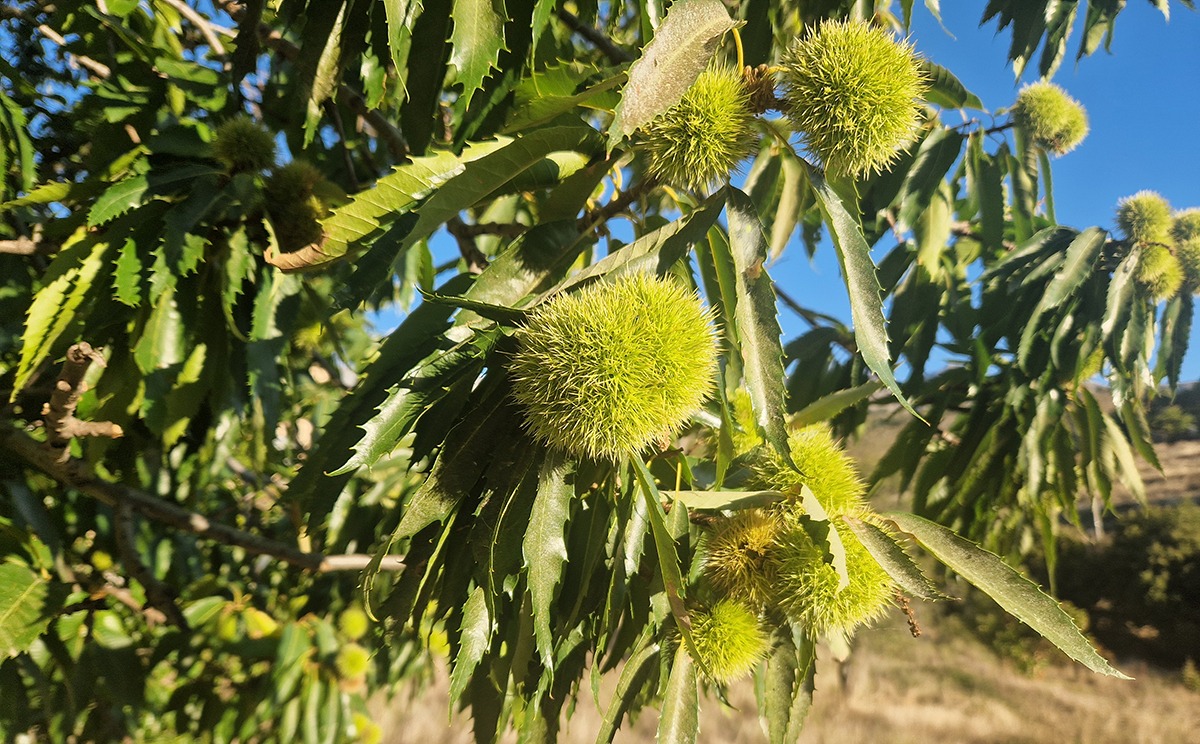
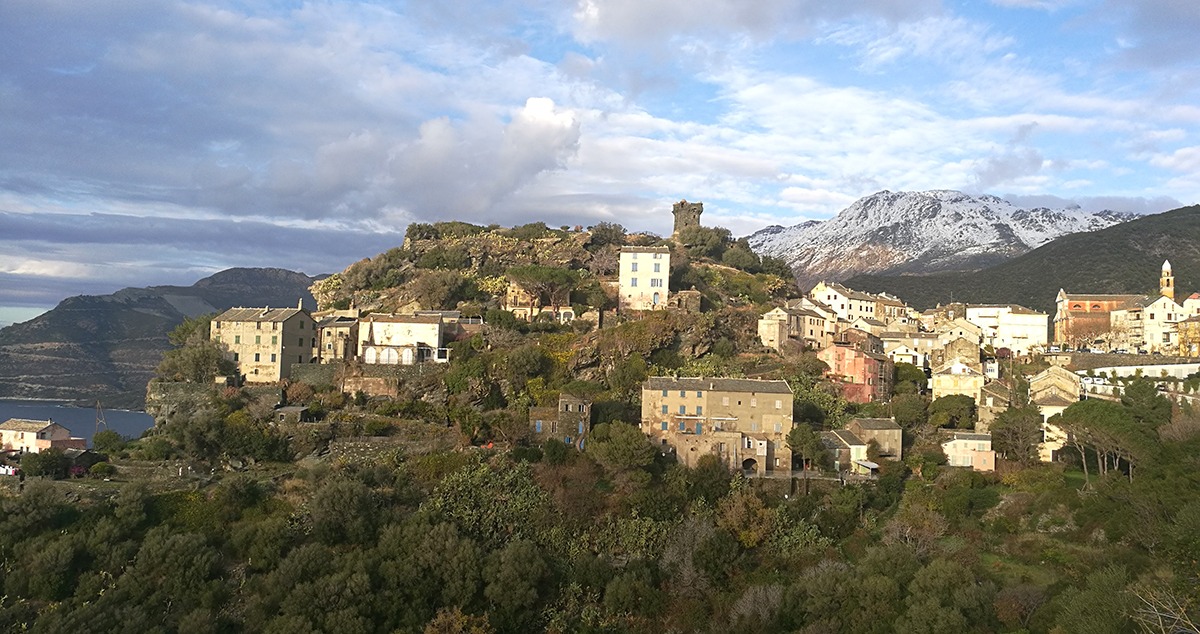
In October, the chestnut harvest is in full swing. So head for Castagniccia, the region of chestnut trees, south of Bastia, in the mountains overlooking Corsica's eastern coast.
As chestnut trees grow above 600m, you quickly gain altitude in this region, the greenest in Corsica. Several centuries ago, during Genoese rule, every family had to plant a chestnut tree. This fruit saved many generations of Corsicans and is now an essential ingredient in Corsican cuisine. From pulenda, a kind of polenta made with chestnut flour, to pisticcini, a kind of blini, in the traditional version, and chestnut ice cream and other flavoured beers in the modern versions, chestnuts remain at the heart of the island's traditions and gastronomy.
Rediscovering Brocciu and charcuterie
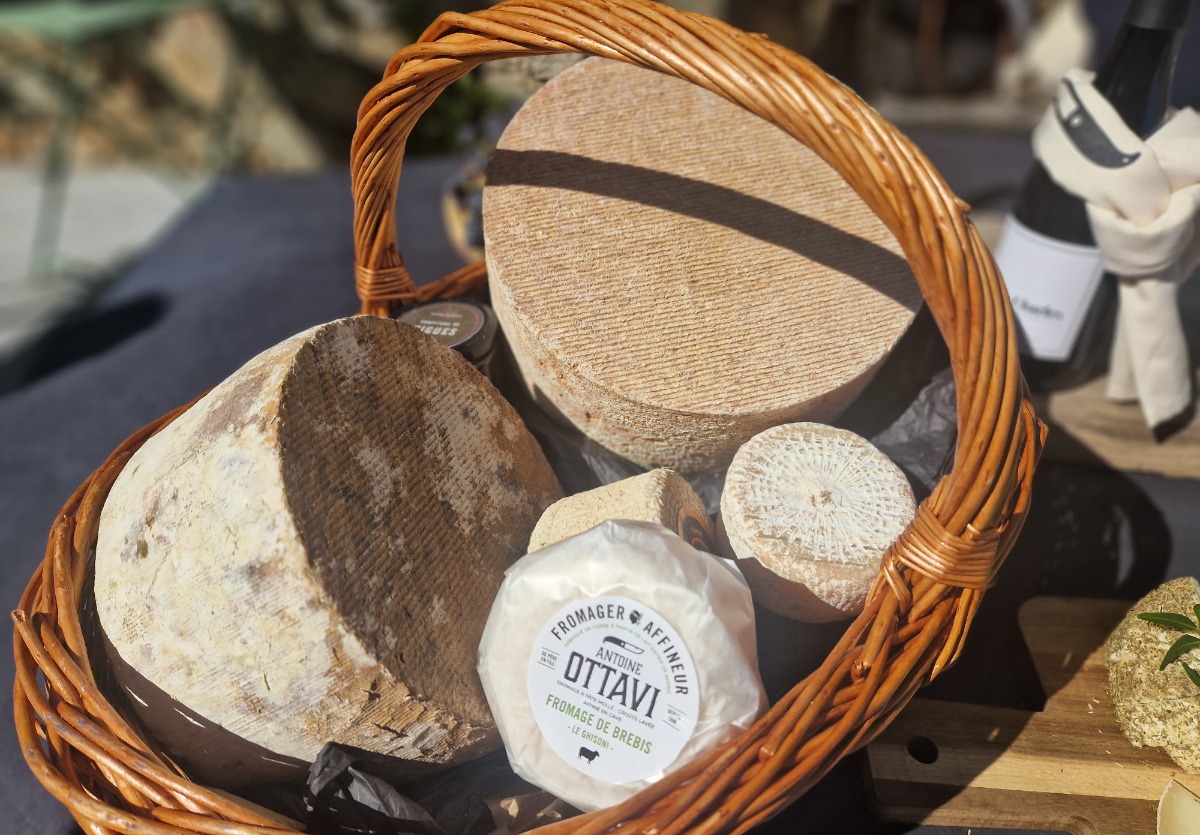
Un éventail de la variété de fromages corses
Autumn also marks the return of fresh Brocciu to the shelves, made mainly from sheep's milk, but sometimes from goat's milk too. It will be available until the end of spring.
Fresh brocciu goes perfectly with these chestnut-based desserts, as well as migliacci, wheat galettes filled with cheese and traditionally cooked over a wood fire, a little like a pizza.
To extend the culinary experience, it is essential to take a closer look at the variety of Corsican cheeses. Most are made from goat's or sheep's milk, although a few cows have recently appeared on the island's cheese scene. Alongside fresh brocciu, there are two main categories of cheese: tomes, hard cheeses aged for sometimes nearly a year in maturing cellars, and soft cheeses, often runnier and more pungent, which have made Corsican cheeses famous.
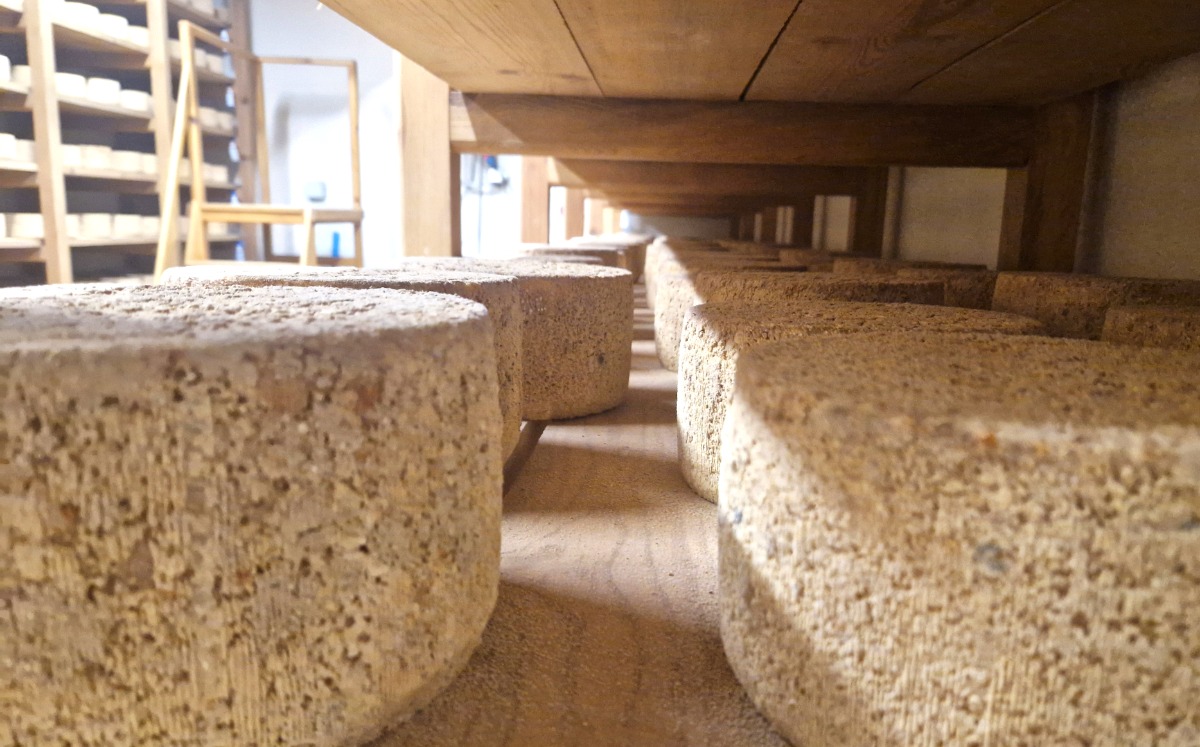
Dans la cave d'affinage du fromager Ottavi
About 70% of the cheese produced in Corsica is made from sheep's milk. While some farmers make their own cheese, collecting milk is also a challenge for cheesemakers such as Antoine Ottavi, who travels around the island every day to collect milk from 66 producers. "It takes us two and a half hours to get to Sartène; even for 30 litres of milk, we'll make the trip, because collecting it also plays a social role," explains Ludovic Carrière, director of the Ottavi cheese dairy.
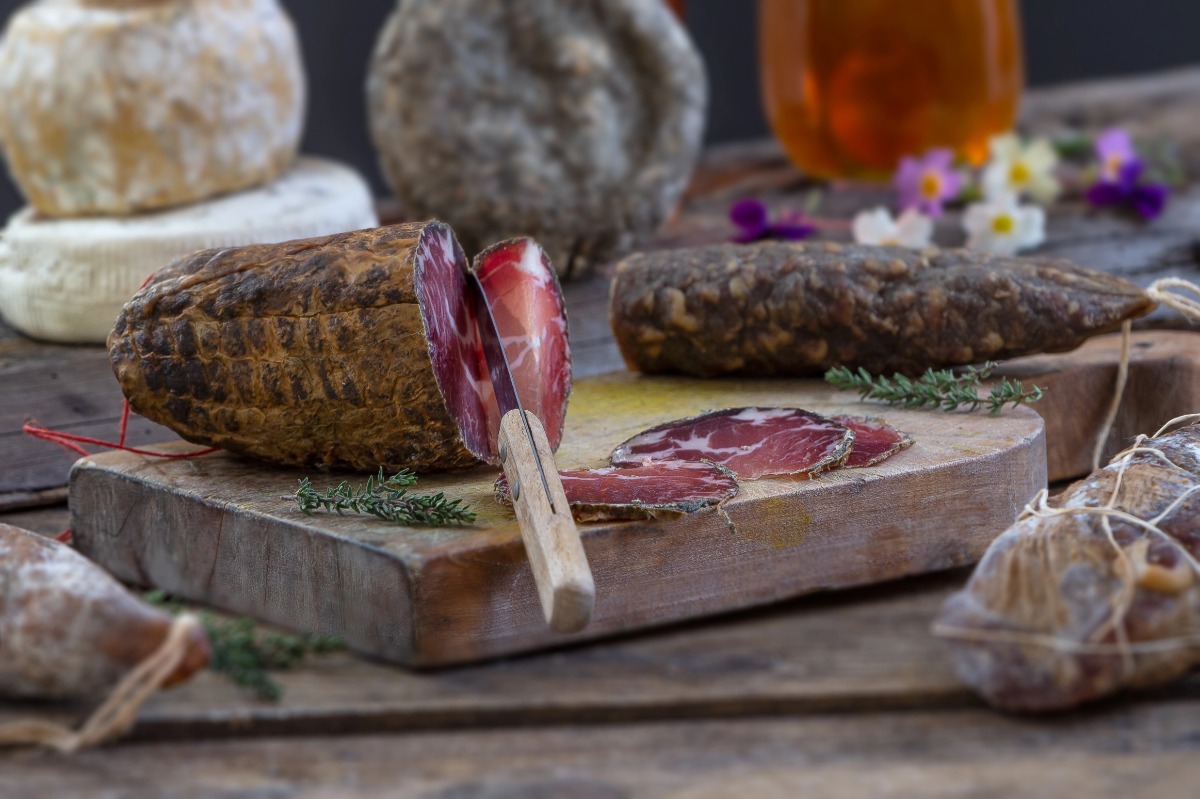
illustration de charcuterie traditionnelle corse © imagepointfr - Depositphotos.com
The natural counterpart to cheese is, of course, Corsican charcuterie. Lonzu, Coppa and Prisuttu can receive the Nustrale AOC label, meaning the pigs are 100% Corsican and raised in optimal conditions, particularly in a mountain environment. Other charcuterie products, Salsiccia (Corsican salami), Figatellu, Panzetta and Bulagna (jowl) can receive a PGI when made from Corsican pigs.
As meat production on the island is very limited, most charcuterie sold commercially is made from pigs brought over from the mainland. This does nothing to detract from its quality, since many charcuterie makers follow traditional recipes using this imported meat.
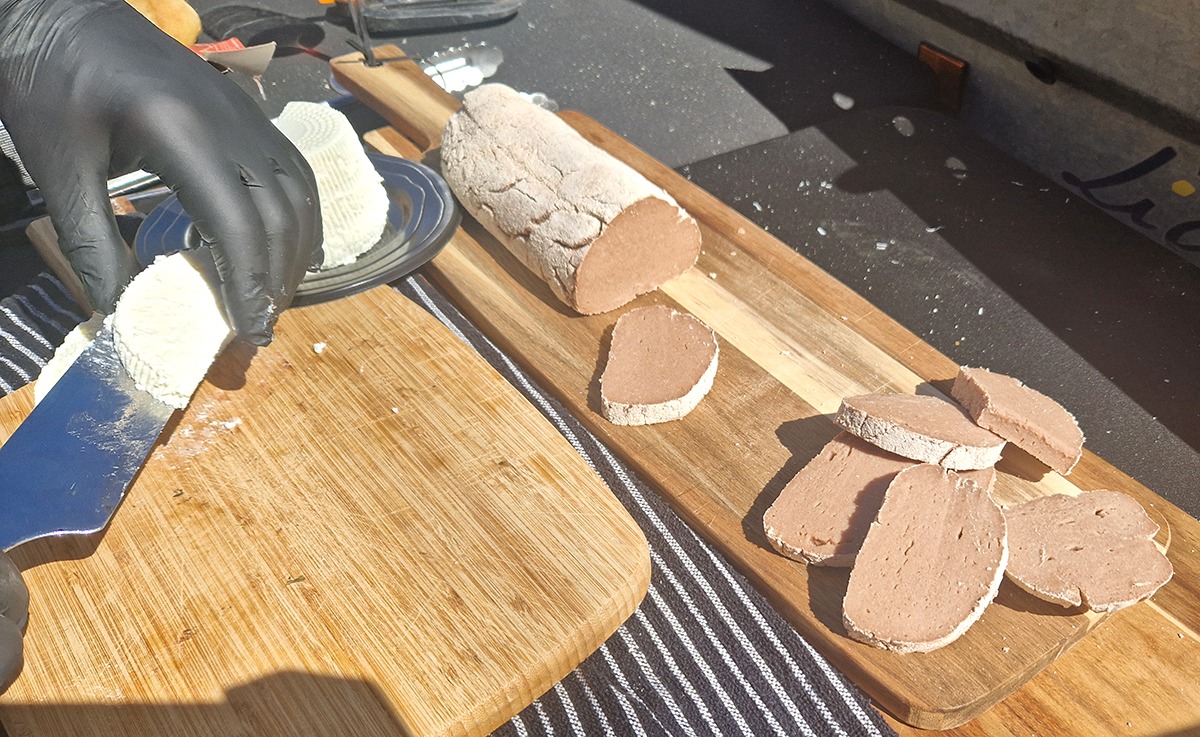
Figatellu is eaten hot, lightly grilled over a wood fire in the traditional recipe that is always a favourite. It is usually made mostly from pork liver, but can sometimes include other offal and wine, giving it more subtle flavours and bringing it closer to sausages.
Corsican nature, an exclusive pleasure out of season
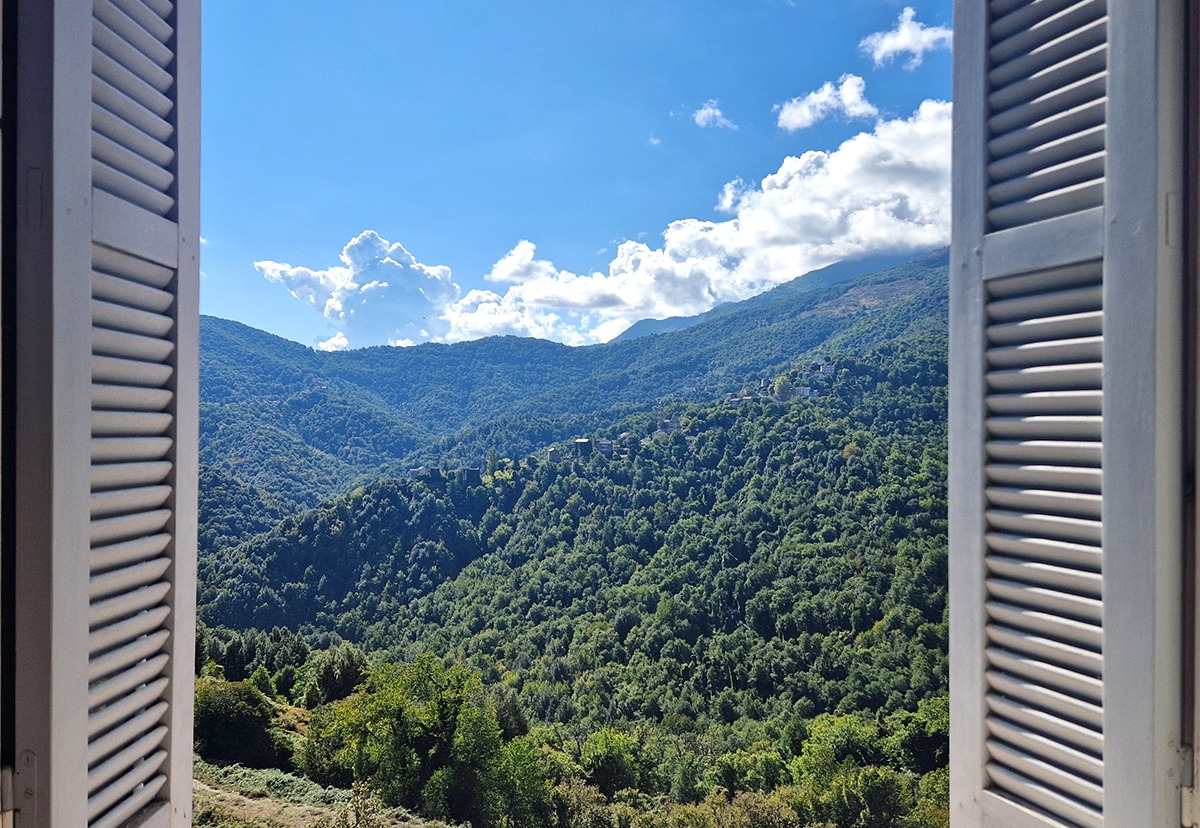
Fenêtre ouverte sur la Castagniccia
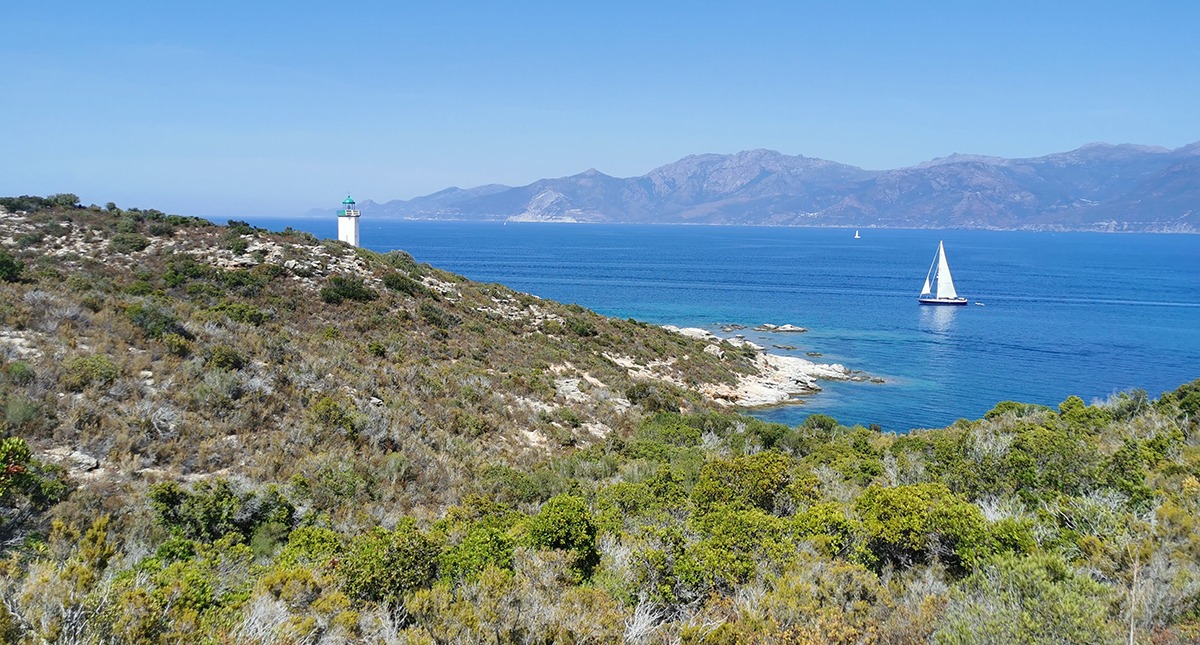
L'automne est la meilleure saison pour parcourir le sentier du littoral dans le désert des Agriates
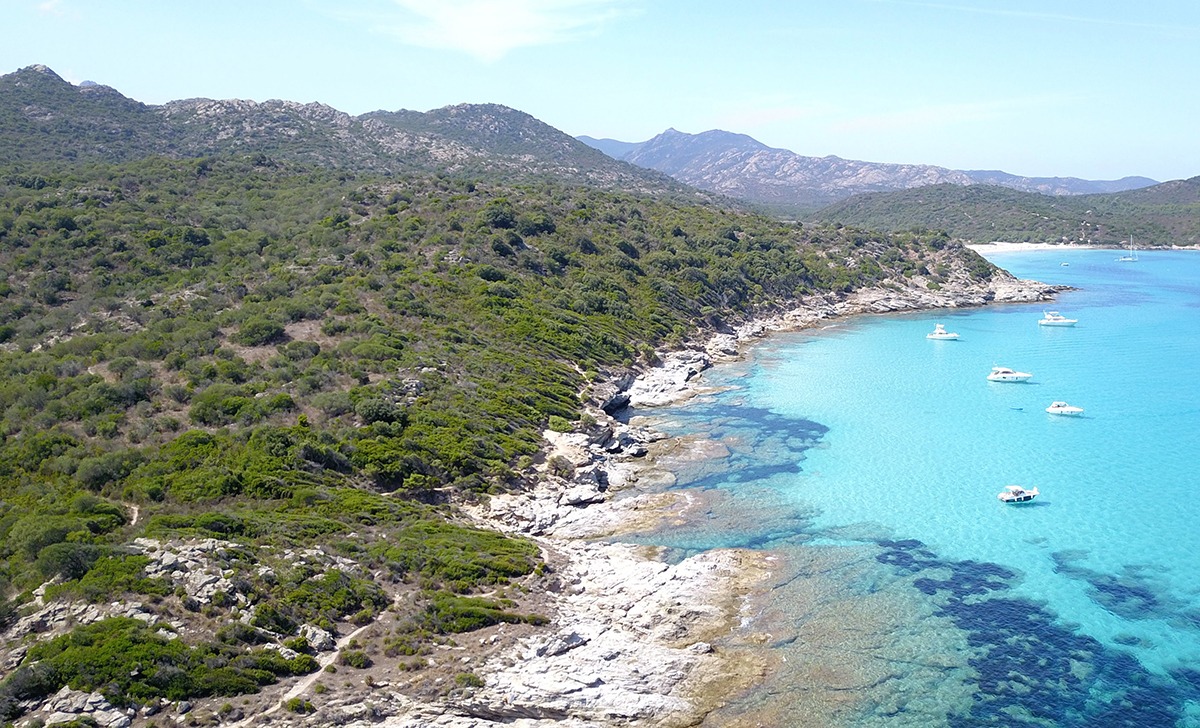
The advantage of autumn is that Corsica's wild beaches really are wild. Admittedly, you sometimes need to be braver to swim in 20° water and avoid being caught out by the waves of the Libecciu, an east or south-easterly wind, but the advantage is that you can have these beaches all to yourself, without the summer crowds. Autumn's mild temperatures make it easy to enjoy them to the full, with access often easier and free of charge.
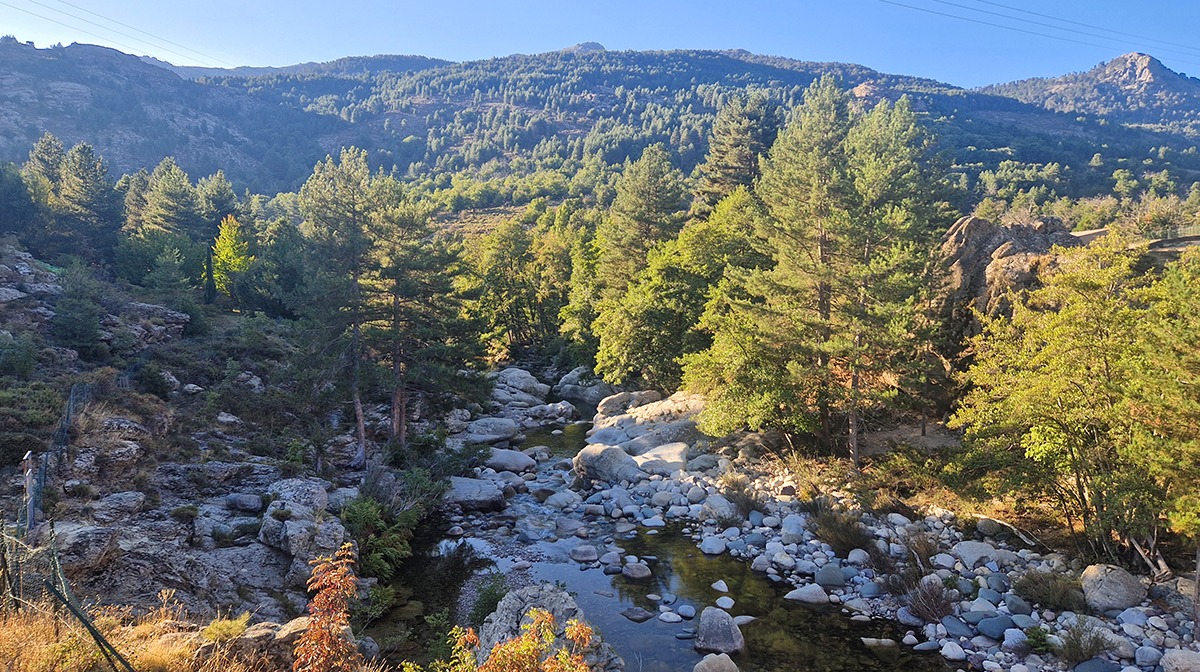
Des paysages de montagne à Calacuccia
Plage du Lotu dans les Agriates
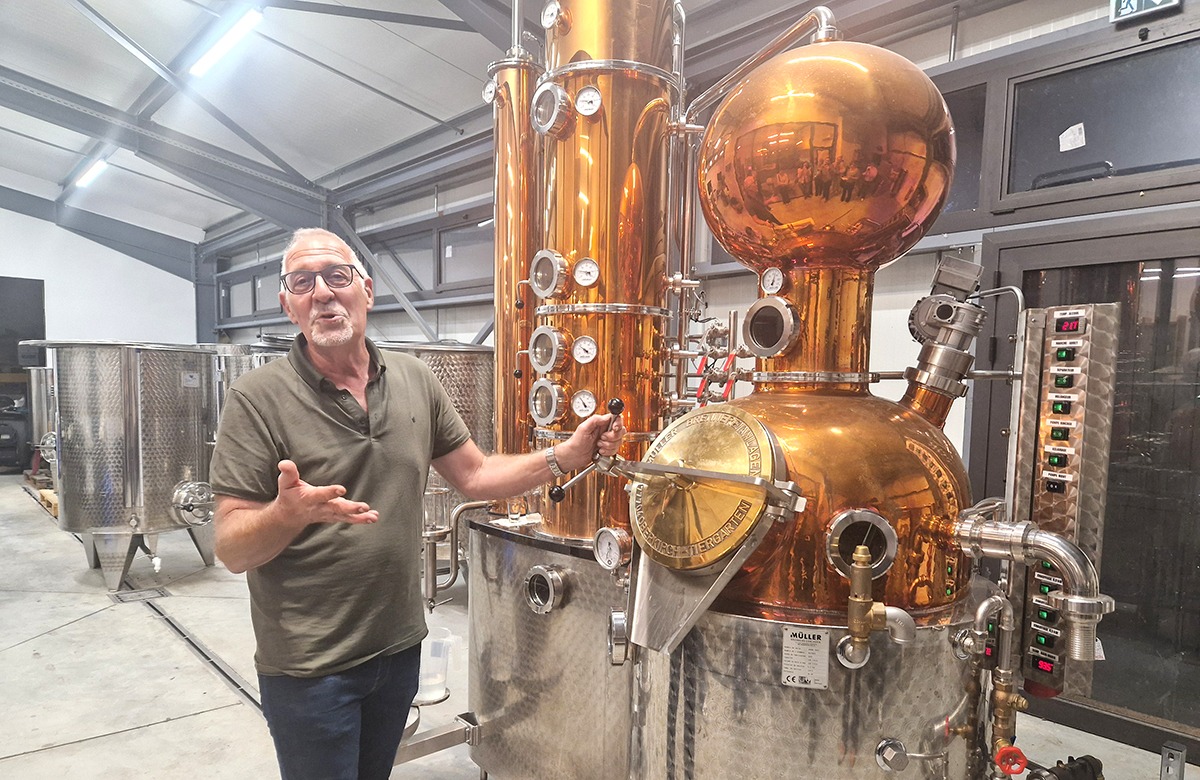
Inland, it is the ideal season for walking the trails, by the sea or in the mountains. It is also an opportunity to discover Corsica's flora, flourishing after a hot, dry summer: myrtle berries are beginning to be picked, and you can gather népita, the wild mint often found around streams. Temperatures have dropped, so rockrose is already less fragrant, as are the everlasting flowers picked in the height of summer. A detour to Calaccucia is a must: the Negroni distillery has just opened a magnificent workshop with its Muller still, imported directly from Germany. Here, it is a story of passion and family. Jean-Marc, the father, and his son Antoine distil with passion and moderation. Liqueur is a major speciality in Corsica, and recipes are passed down from generation to generation.
Jean-Marc Negroni devant son alambic
Between 10,000 and 15,000 bottles a year, as well as trials of liqueurs and eaux-de-vie made from local fruit and herbs: myrtle, of course, but also mandarin, chestnuts, hazelnuts and wild mint. "It had to be here in Calacuccia, the village of our ancestors; this is where our roots are, and we are very attached to it," explains Jean-Marc Negroni passionately. This family business also became known for its cooked wine, "Fior' di notte", and is now exploring acquavita, naturally flavoured eaux-de-vie.
Devout Corsica and its historic heritage
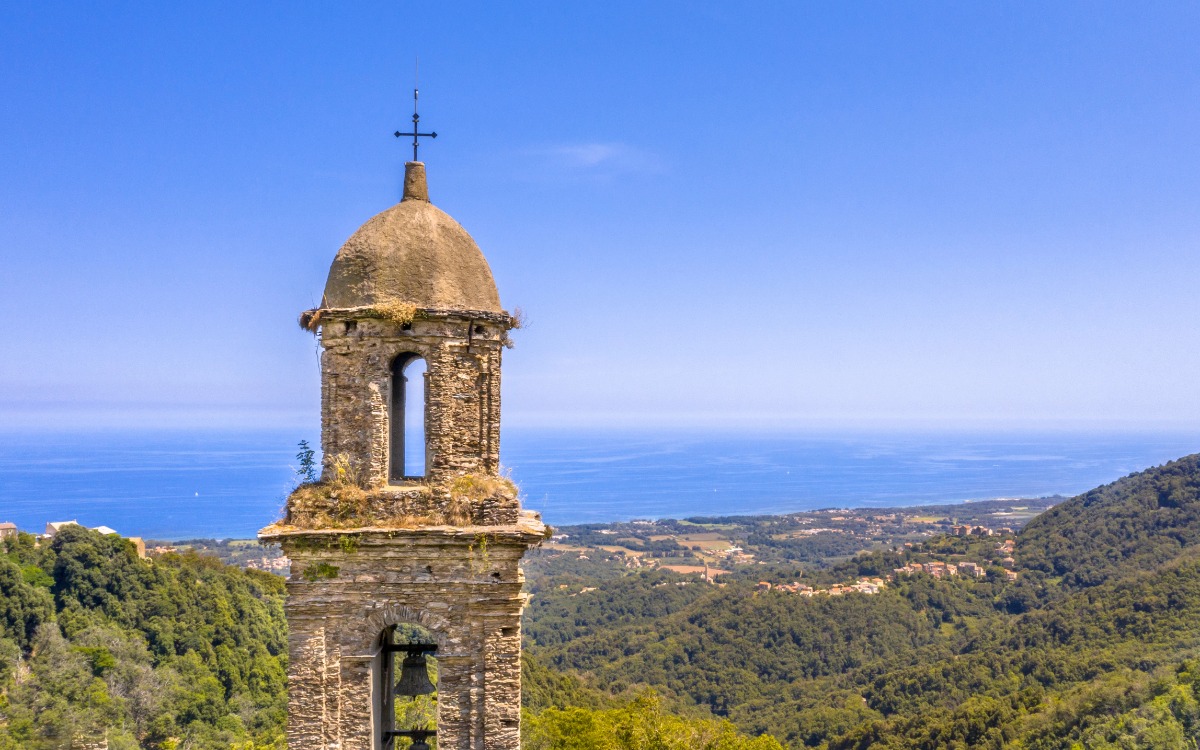
Clocher de l'église de San Giovanni di Moriani © CreativeNature - Depositphotos.com
Corsican heritage can be discovered all year round, particularly its religious heritage, which is very important on the island. The island was Christianised very early, as far back as the 4th century, when it was conquered by Carthage, from which the first bishops came. Corsica has remained a deeply devout land and is distinguished by its impressively large churches in small villages. There was, of course, an exodus of people from villages to cities, the mainland and the colonies, but faith and the role of the church remain very prominent in modern society, as illustrated by Pope Francis's visit in 2024, a few months before his death. So take the time to step inside every church during your walks and discover an impressive religious heritage.
Le Niolu offre des paysages de montagne
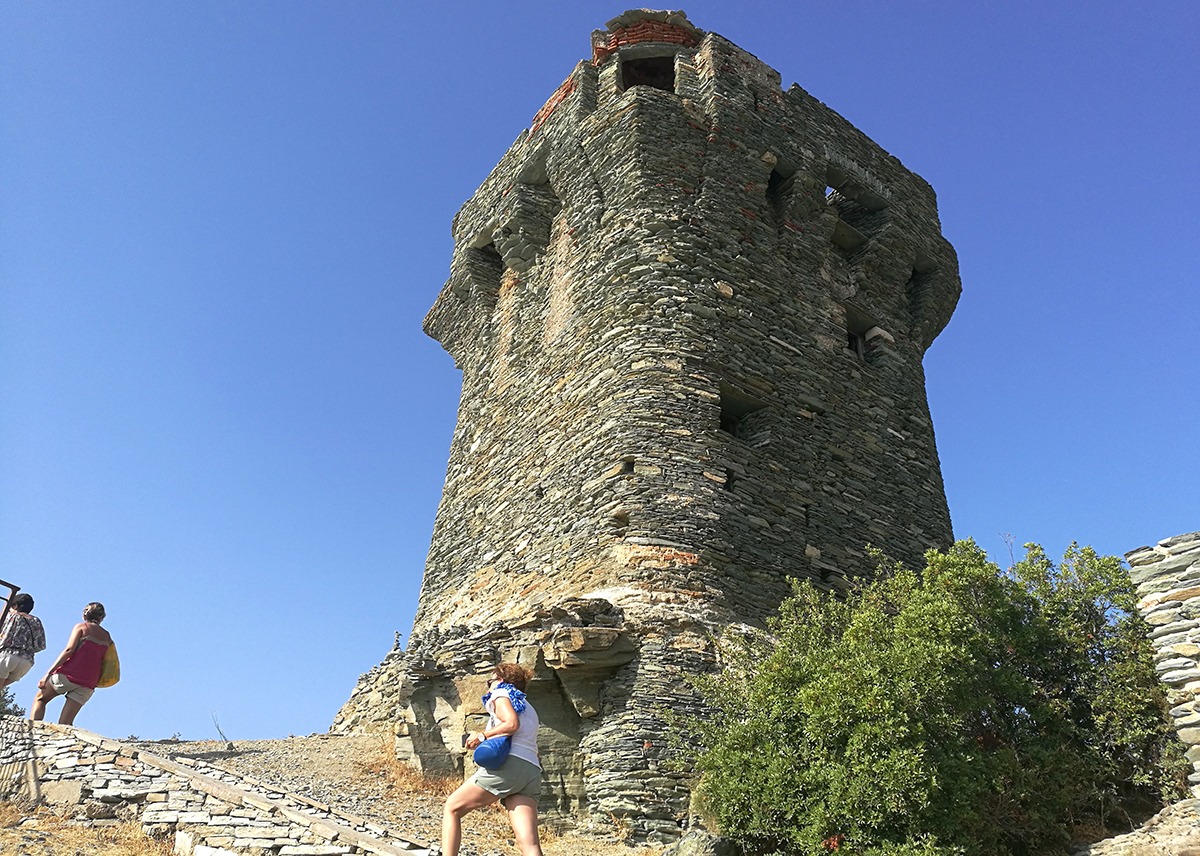
La Tour de Nonza est l'une des rares qui peut se visiter gratuitement
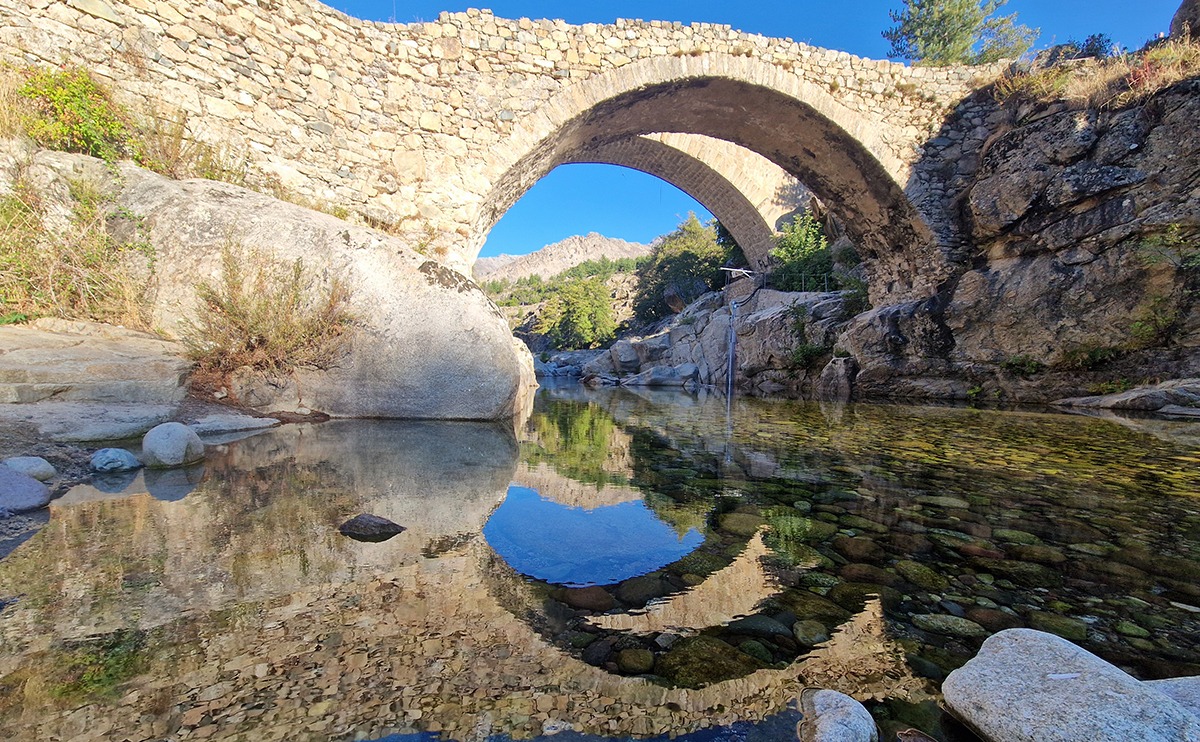
Beyond religious buildings, Corsican heritage is distinguished by its many small forts and Genoese towers, as well as "Roman" bridges, although most actually date from the Middle Ages. Some towers are open to visitors, as are the fortified towns, the Corsican citadels. This is notably the case in Calvi, Bonifacio, Corte, Saint Florent and Bastia.
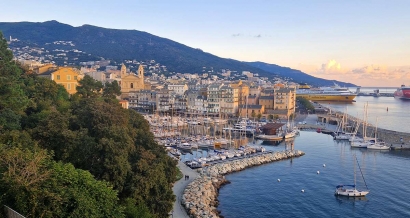
Taking the time to (re)discover Bastia's charm
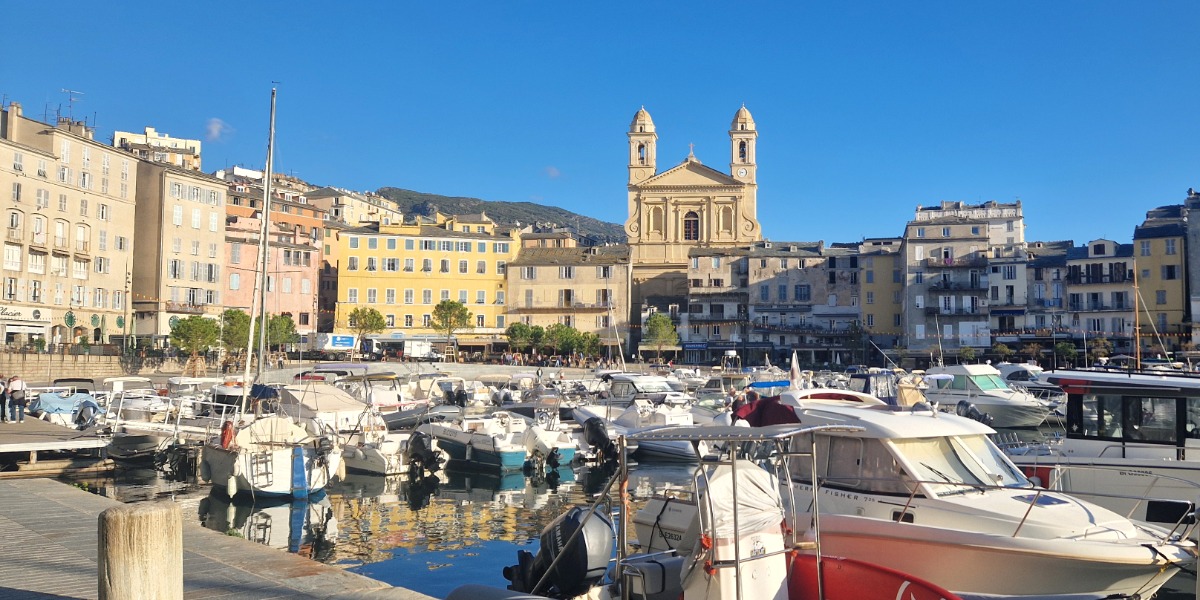
Often overlooked by tourist guides, Bastia has been enjoying a revival in recent years, reclaiming its place at the heart of Corsican tourism: its citadel is perfectly preserved, despite some unsuccessful recent alterations.
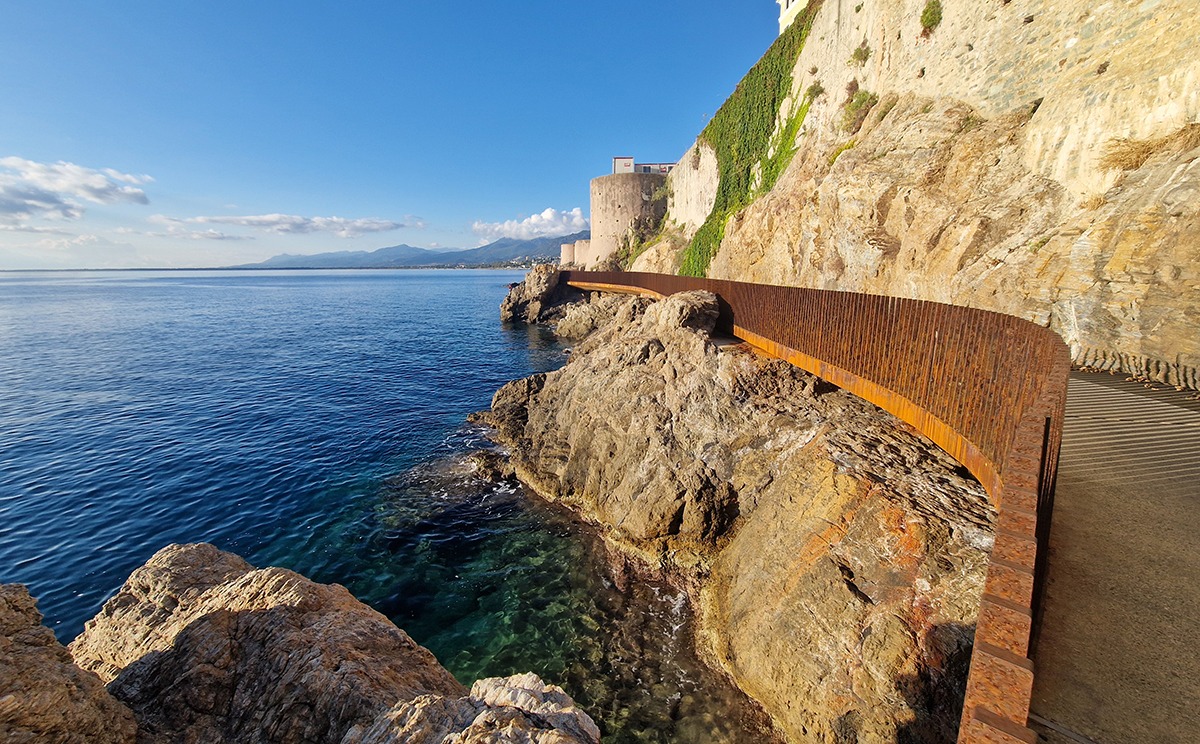
You can now enjoy the Aldilonda: a new seaside promenade built at the foot of the citadel's ramparts, which takes you to the Old Port and its restaurants.
Wandering through the narrow streets around Place du Marché, you discover a typically Mediterranean city, a blend of a way of life shaped by Italian, French and North African influences.
Arriving at the majestic Place Saint-Nicolas reminds us that Bastia is Corsica's main port, with its constant stream of ferries to the mainland, an umbilical cord that remains essential to its economy.
Practical information: Our tips for getting to Corsica
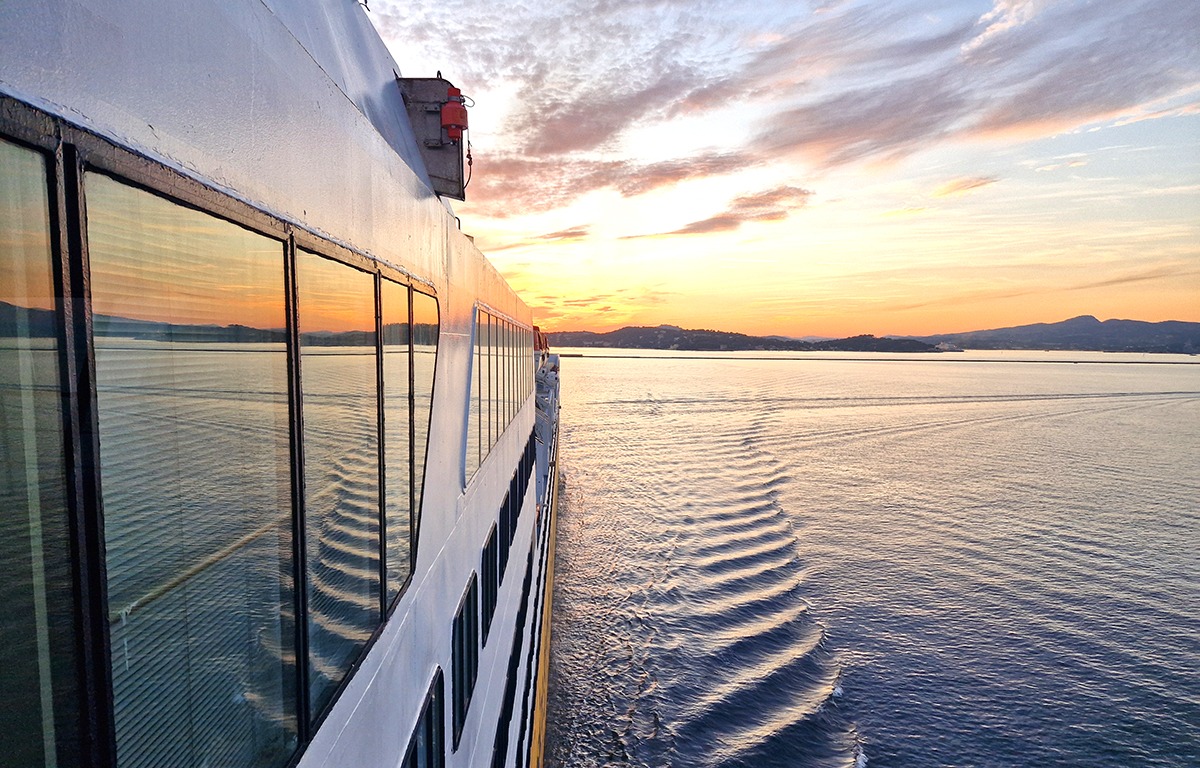
Coucher de soleil à bord du Mega Express 2
By boat: Corsica Ferries is the main operator, running several crossings a day from Toulon to Bastia, Ajaccio and also Ile Rousse during the day. It also sometimes serves Corsica from the ports of Nice and Sète, and from Italy. La Méridionale and Corsica Linea operate crossings exclusively from Marseille.
By plane: the Corsican airline Air Corsica offers public service flights from Marseille, Nice and Paris. It also offers flights from other French cities such as Bordeaux, Nantes, Lyon and Strasbourg, as do other airlines such as Volotea. Corsica has 4 airports: Bastia, Ajaccio, Calvi and Figari.
Although there is a magnificent train line between Ajaccio, Bastia and Calvi, a car remains a recommended way to get around Corsica. A few coach services are available, but in the low season they are very unreliable, and some tourist spots such as beaches, trails and inland villages are rarely served.
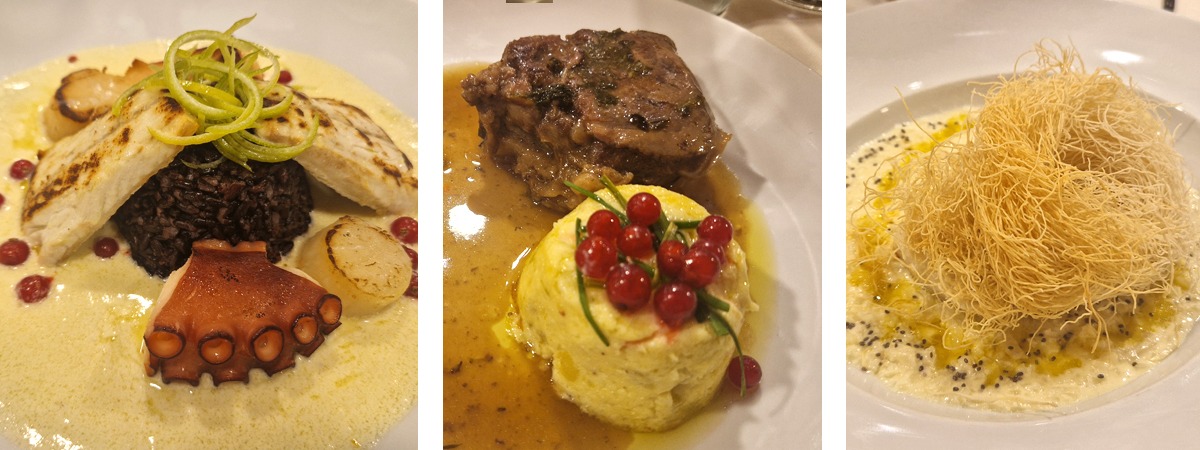
Ferries are therefore the preferred way to get to Corsica with your car or motorcycle. It is an opportunity to start your trip with a short cruise lasting between 8 and 12 hours, depending on the route. Although ticket prices have risen considerably in recent years, the onboard services still offer excellent value for money, particularly the food, with dishes by Italian Michelin-starred chef Filippo Chiappini Dattilo at very affordable prices on Corsica Ferries.
Plats à la table du restaurant de la Corsica Ferries